Immersive Virtual Heritage for Cultural Conservation
Umum
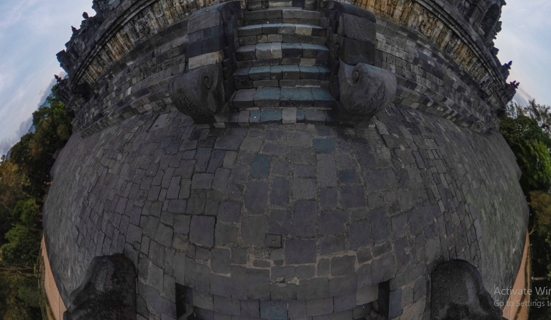
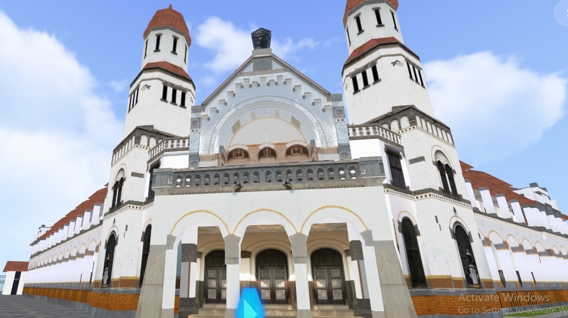
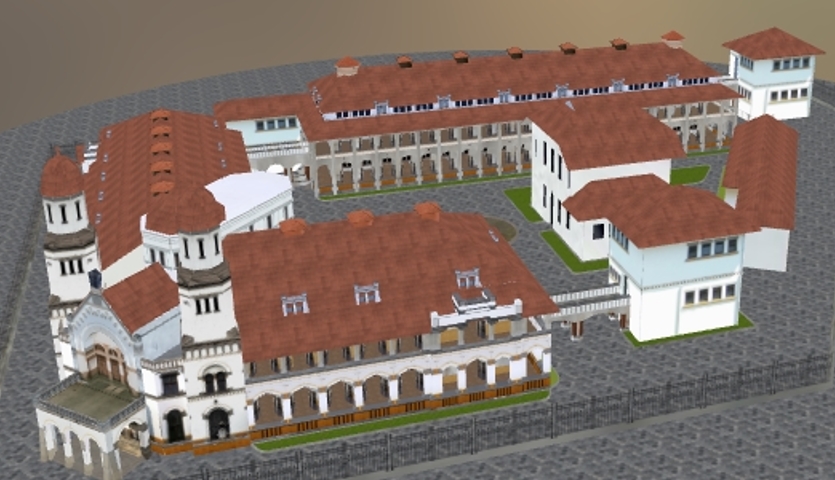
In this presentation, I will discuss how immersive digital technologies can contribute to cultural heritage preservation and compare the strengths and limitations of three popular approaches: 360- degree video, virtual tours, and virtual reality.
Special attention will be given to their contributions in educational contexts in Indonesia. While Virtual Reality can provide the highest level of immersion, its adoption is often limited by the cost of VR headsets and hardware requirements, making it less accessible for many students.
In contrast, immersive virtual tours offer a more practical and scalable solution because they can be accessed through multiple platforms, including smartphones, tablets, laptops, and desktop computers. This accessibility makes virtual tours particularly relevant for supporting cultural heritage
education among students in developing regions while still providing engaging and immersive learning experiences.
Tag
- virtual tour
- VR
- virtual heritage
- virtual tourism
- borobudur
- lawang sewu
- comparative
- research